After-hours storefront door repair costs depend on the issue, timing, parts, access, and urgency. A minor hardware adjustment will cost less than broken glass replacement or a damaged aluminum frame repair. Emergency service usually includes a call-out or after-hours charge because the technician is responding outside regular scheduling.
For businesses in the Greater Toronto Area, think of after-hours repair in two parts. The emergency response gets someone to the site, secures the entrance, diagnoses the problem, and gives you repair options. The final cost depends on what the technician finds once the door is inspected.
Why After-Hours Storefront Door Repairs Cost More
After-hours repair is priced differently because it requires immediate dispatch outside regular business hours. The technician may be responding at night, on a weekend, during a holiday, or while parts suppliers are closed.
That higher cost is usually tied to labour availability, travel time, urgency, and safety risk. A storefront door that cannot lock is a security problem. A broken glass door is both a safety concern and a liability issue.
A door that drags, slams, or will not close can affect staff, alarms, heating, cooling, and access control.
The added cost does not always mean the repair itself is complicated. Sometimes the problem is a failed door closer, loose pivot, worn hinge, damaged lock cylinder, bent frame, or misaligned strike.
Related Article: What Are ADA Requirements for Storefront Doors?
Typical Storefront Door Repair Cost Ranges
Most storefront door repairs fall into a few practical cost groups. Simple adjustments are usually at the lower end. Hardware replacement, glass work, and frame repairs sit higher because they need more time, parts, and care.
A basic service call may include:
- Inspection
- Minor adjustment
- Diagnosis
If the door only needs alignment, latch correction, closer tuning, or hinge tightening, the cost is usually more manageable. If replacement parts are required, the price increases based on the part, door type, and labour.
Glass storefront door repairs can cost more because the glass size, thickness, safety glazing requirements, and availability matter.
If the exact glass cannot be replaced immediately, the technician may complete a temporary board-up or secure the opening first, then return for final replacement.
Related Article: When to Call for Emergency Door Repair
What Affects the Final Emergency Repair Bill
The final bill is shaped by more than the broken part. Two businesses can have the same visible problem and receive different estimates because the doors, frames, and site conditions are different.
The main pricing factors include:
- Time of call, including evenings, weekends, and holidays
- Travel distance and technician availability
- Type of storefront door, such as aluminum, glass, steel, or automatic
- Whether the door can be repaired or needs replacement parts
- Glass size, safety rating, tint, or special order requirements
- Lock, closer, hinge, pivot, or frame damage
- Whether a board-up or temporary security measure is needed
A fair estimate should explain these factors clearly. If a door company gives only a vague number over the phone, treat it as a starting point. A technician still needs to inspect the door to confirm what has failed.
Common After-Hours Storefront Door Problems
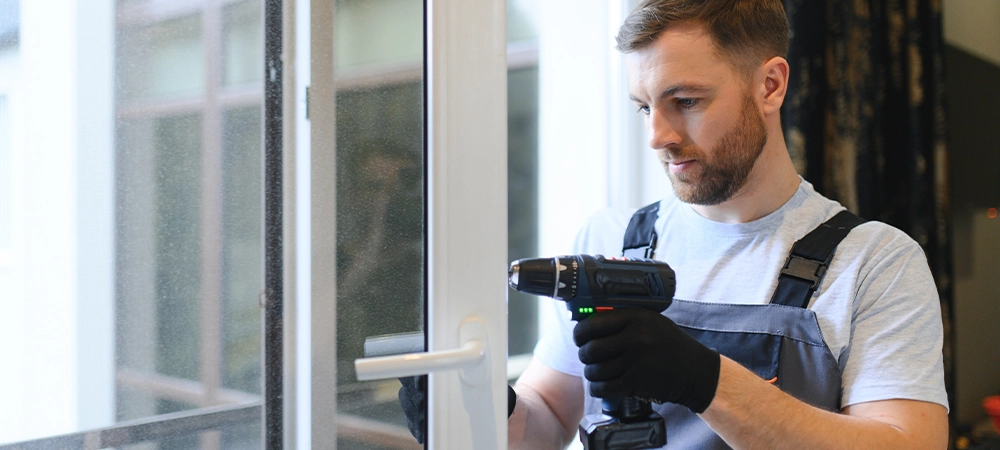
Most emergency storefront door calls are caused by wear, impact, weather, vandalism, forced entry, or hardware failure. Some problems look minor at first but can quickly affect security.
The Door Won’t Lock
This can happen when the latch and strike no longer line up, the lock cylinder fails, the frame shifts, or the door sags on worn pivots.
A lock problem after closing time should be treated as urgent because the business cannot be left unsecured overnight.
Broken or Cracked Glass
Even if the door still opens, damaged safety glass can create injury risk and leave the business exposed.
The first step may be safe glass removal, clean-up, and temporary board-up before permanent glass replacement.
Years of Heavy Use
A closer that slams can injure customers or damage the frame. A closer that cannot pull the door shut can leave the entrance unlocked, drafty, or open to pests and weather.
Repair, Board-Up, or Replacement?
The right option depends on whether the door can be made safe and functional during the emergency visit. A good technician should explain the immediate fix and the long-term repair.
Repair is usually best when the frame is sound and the problem is limited to hardware, alignment, or adjustment. This may include closer replacement, hinge repair, lock servicing, pivot adjustment, or strike realignment.
Board-up is used when glass is broken, the opening cannot be secured with the existing door, or parts are unavailable after hours. It is a temporary safety measure. The goal is to protect the property until glass or door replacement can be completed.
Replacement may be needed when the door leaf is bent, the frame is badly damaged, the glass system is compromised, or the existing hardware is too worn to hold a reliable repair. In some cases, replacement is more cost-effective than repeated emergency fixes.
Related Article: How to Clean and Maintain Aluminum Storefront Doors
How to Avoid Surprise Charges
The best way to avoid surprise costs is to ask the right questions before dispatch. You may not get a final price without inspection, but you can understand how the bill will be built.
- Ask whether there is an after-hours call-out fee, how labour is charged, whether travel is included, and whether temporary board-up is billed separately.
- Ask if common parts are stocked on the truck, especially closers, locks, pivots, hinges, and basic storefront hardware.
- Send photos if possible. A clear photo of the full entrance, the damaged area, the lock, the closer, the hinges, and the frame can help the service team prepare. Photos do not replace an inspection, but they can reduce guesswork.
How Commercial Door Pros Helps After Hours
Commercial Door Pros provides commercial door repair, storefront door service, glass storefront support, steel door repair, aluminum door repair, fire-rated door service, and emergency response across the Greater Toronto Area.
When you call for after-hours support, the goal is to restore security first, then function. That may mean adjusting the door, replacing failed hardware, securing broken glass, completing a board-up, or recommending a proper replacement if the existing door is no longer safe.
Know the Cost Before the Door Fails Again
After-hours storefront door repair will usually cost more than scheduled service, but it can protect your business from greater losses. A secured entrance prevents overnight exposure, safety hazards, customer disruption, and avoidable property damage.
The smartest approach is to treat emergency repair as the immediate solution, then schedule proper follow-up if the door needs parts, glass, or deeper adjustment. If your storefront door is already hard to close, slow to latch, or showing signs of wear, do not wait for it to fail after closing.
For urgent storefront door repair in the Greater Toronto Area, contact Commercial Door Pros for fast emergency service and professional support.
Frequently Asked Questions
What is considered an after-hours storefront door repair?
An after-hours storefront door repair is any urgent service call outside normal business hours, including evenings, weekends, and holidays. It usually involves security, access, broken glass, failed locks, damaged closers, or a door that cannot close safely.
Can a storefront door be repaired the same night?
Many storefront door issues can be repaired the same night if the parts are available and the frame is still safe. If glass or specialty hardware must be ordered, the technician may secure the entrance temporarily first overnight.
Is board-up included in emergency door repair?
Board-up is sometimes included in the emergency response, but it may also be billed separately depending on the job. Ask before dispatch so you understand whether temporary materials, labour, removal, and follow-up glass replacement are separate charges.
Why does my storefront door keep falling out of alignment?
A storefront door may fall out of alignment because of worn pivots, loose hinges, frame movement, closer strain, weather exposure, or impact damage. Repeated adjustment without fixing the cause can lead to more after-hours calls and damage.
Should I repair or replace a damaged storefront door?
Repair is usually sensible when the frame is sound, and the damage is limited to hardware or alignment. Replacement may be better when the door is bent, the glass support is compromised, or repeated repairs are becoming too costly.